Discipline That Works
All children "misbehave" sometimes, and all parents wonder how to stop the misbehavior. But that's only half of our mission as parents. The other half is raising a child who internalizes our guidance to become "self-disciplined." The most effective "discipline" for your child is always positive, loving, gentle guidance. Here's why.

Start Here:
Ten Tips To Become a More Peaceful Parent
Ten tips for practicing peaceful parenting with your child, to raise a healthy, happy, emotionally intelligent child. What to do instead of punish.
Read More
When Kids Won't Cooperate: Give Choices
Giving choices may be the single most useful tool parents have for managing life with young children and helping kids and teens learn to manage themselves.
Read More
What's Wrong with Strict Parenting?
People think strict parenting produces better-behaved kids. However, research shows that strict, or authoritarian, parenting produces kids with low self esteem who behave worse.
Read More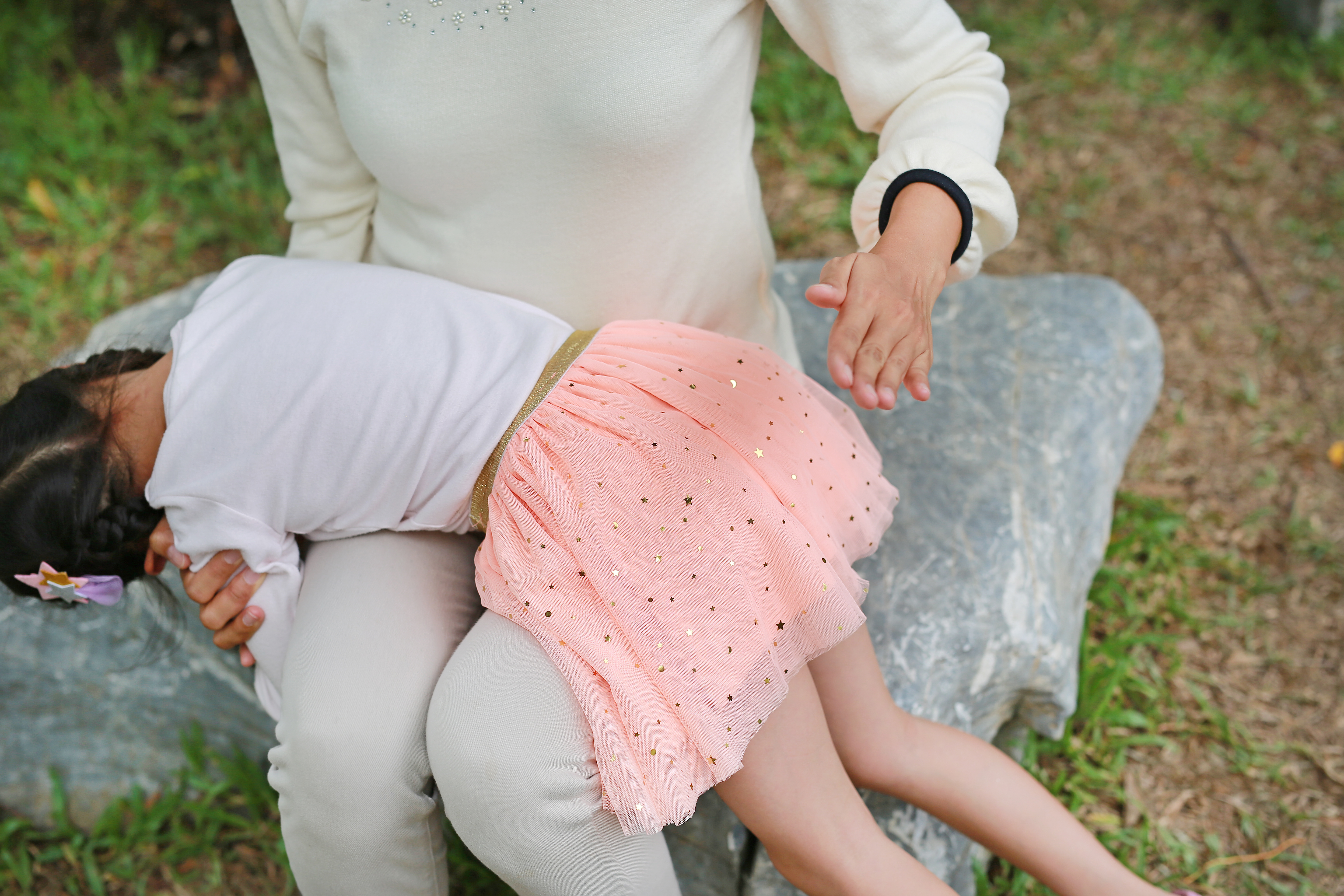
Should You Spank Your Child?
Kids who are spanked are less emotionally healthy than kids who aren't. What's more, kids who are spanked behave worse over time.
Read More
What's Wrong with Permissive Parenting?
Kids need appropriate, empathetic limits for healthy emotional development. When parents don't set limits, here's what happens.
Read More
How to Set Effective Limits with Your Child
Our limits actually teach kids to set limits for themselves, which is otherwise known as self-discipline.
Read More
What's Wrong with Timeouts?
Timeouts ARE punishment, not any different than when you were made to stand in the corner as a child.
Read More
Why Consequences are Just More Ineffective Punishment
How will children learn to do the right thing, if they don't suffer the consequences when they do the wrong thing?
Read More
The Truth About Consequences
The advice parenting experts always give is not to rescue kids if they forget things so they'll learn a lesson. What that really teaches kids is that they can't count on their parents.
Read More
Peaceful Parenting Your Strong-Willed Child
Have a strong-willed child? You're lucky! Strong willed children can be a challenge when they're young, but if sensitively parented they become terrific teens and young adults.
Read More
When You Get Angry At Your Child
How to Handle Your Anger at Your Child. In our calm moments we know that we could handle any parenting moment much better from a state of calm. Here's how.
Read More
Healing Yourself So You Can Be a More Peaceful Parent
The truth is that virtually all of us were wounded as children, and if we don't heal those wounds, they prevent us from parenting our children optimally.
Read More
When Your Child Acts Out but Can’t Cry: Building Safety
Learn how to help your child break through his anger to release the tears and fears underneath, by building safety through play.
Read More
Why Peaceful Parenting?
Peaceful parenting raises an emotionally healthy child who WANTS to cooperate, without yelling, threats, bribes or punishment.
Read More
10 Alternatives To "Consequences" When Your Child Isn't Cooperating
Next time you find yourself about to blurt out a threat or give a "consequence", try one of these responses.
Read More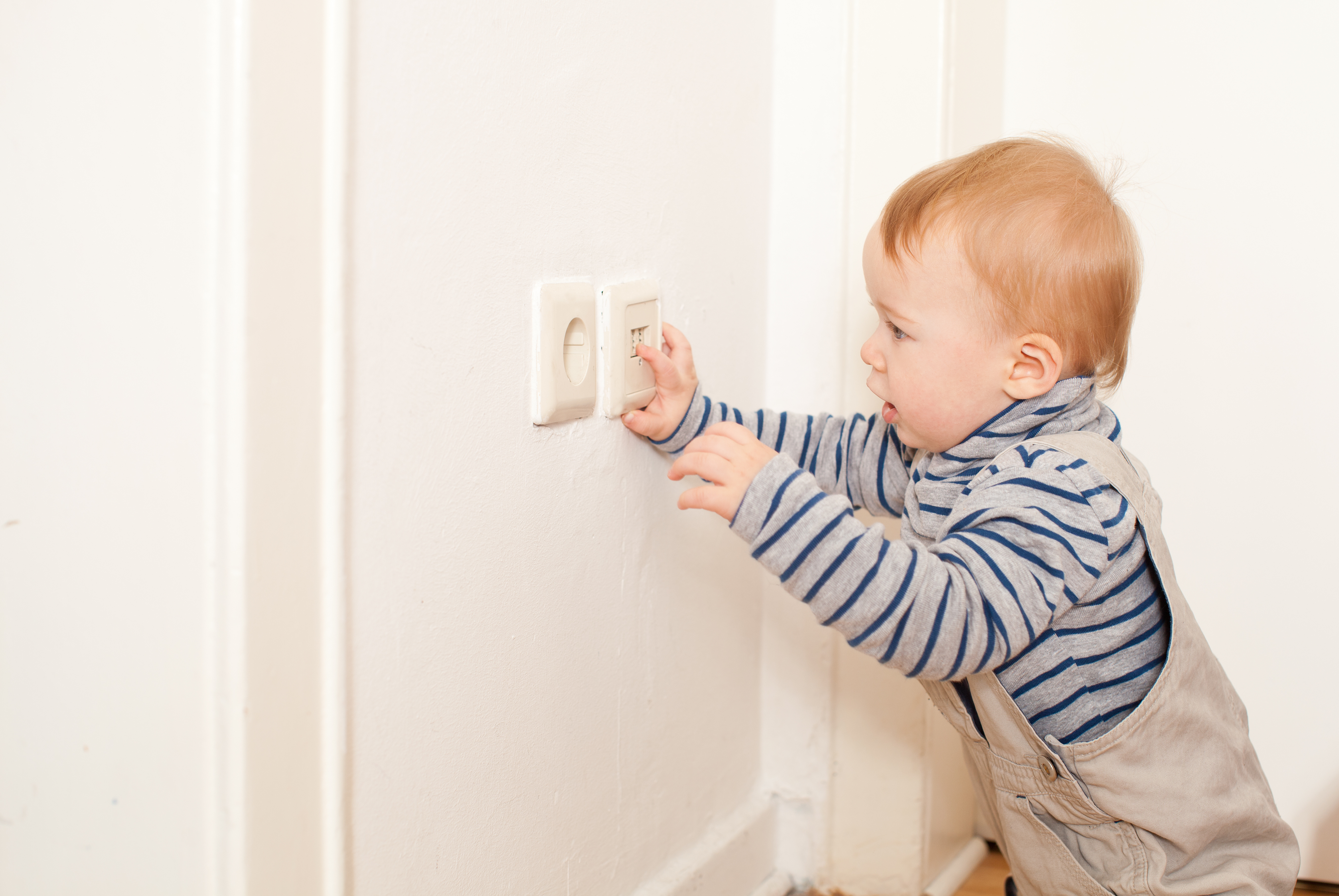
Discipline for Young Toddlers
14 months is a big transition. It's often frustrating for parents, until they realize they have to meet their little one's needs for exploration and autonomy.
Read More
Setting Limits with Preteens and Teens
Parenting preteens and teens can be aggravating. Here's how to support them to meet your expectations, while also strengthening your relationship.
Read More
"I read your Toddler tips yesterday and tried each suggestion, and LO! My daughter has not been fighting me! Like some kind of magic it just works!"
Karina
Dr. Laura is a parent whisperer! - Liz McIntosh
Liz McIntosh
Dr. Laura's parenting advice completely changed my relationship with my daughter, improved her self-esteem, and transformed our lives. Providing my daughter with acknowledgement of her feelings and point of view reduced her oppositional behaviors and emotional meltdowns to nearly none. - Jodie Tokatlian
Dr. Laura, you have created miracles, large and small, in so many lives and our children thank you.
Folks, she's brilliant. It's wonderful to have parenting experts who don't see the child as the enemy in a locked combat, for one thing. I recommend it.
"I'd really recommend Laura Markham's Aha! parenting books and website for brilliantly practical ways to parent with kindness instead of punishment." - Makchoon
Makchoon
I have seen amazing improvement in my *very* angry 17 year-old son after acknowledging that there was a reason he was so angry and acting out. We have had several heartfelt conversations and I have seen a real change in how he treats his younger brother, and how he treats me.
I know that I am a better parent thanks to Dr. Laura's inspirational words and suggestions.
I love AhaParenting because there is always a "pick yourself up and try again" to it. - Chantal Harrison
Chantal Harrison
It's like these emails were meant for me. - Caroline Henry
"Just wanted to say how much I appreciate receiving your regular emails. They've improved my parenting (and me as a person!) and made my children's lives better. Thank you!" - Andrei
Andrei
My daughter reacts so much better when I empathize and stay patient. And now I get to model that behavior instead of letting my frustration get the better of me.
Thank YOU so much for your encouraging weekly newsletters and your Facebook posts. Since I began following your approach, I have noticed a difference in the compassion I show to myself, and how much more that helps me connect with my kids. We are all feeling a lot more overall peace!
Thank you for your weekly emails and your books. They're a life line for me when I really need support during a rough patch. - Lisa Fernandez
Lisa Fernandez
Today I say thank you, tears streaming from my face, so proud of my little boy and all he will become. Thank you. - Jennifer B.
Jennifer B
Yes. It works. And the more rest I get, the more patience I have. It makes a difference.
Dear Dr. Laura Markham! I am a mother of 2 boys - 16 and 7 years old. I am extremely grateful for all the emotional and relational education that you provide us and also for your incredible loving energy to support our evolution as parents, as human beings. I took your course 3 years ago. Although the challenges of the parent-child relationship change almost every year, your parenting principles are equally valuable and effective. It's hard to reprogram the emotional-behavioral pattern learned in my own childhood... so I find it very helpful to go back to your teachings to regain trust and patience as a parent every time new challenges trigger my anxiety. To have more clarity, to reset my energy. Thank you!!

Janina-Madalina Dobrescu
Your philosophies are the only tools we've come across which offer practical advice grounded in clearly laid out lay terminology. Our family life day-to-day is nothing short of a miracle, thanks to you! - Dana Questad
Dana Questad