Preschoolers
Age 3-5 Years
Not a baby anymore, not even a toddler, your little one is a Preschooler -- what is often called the Wonder Years. And wondrous they are, as your little one gains the ability to manage herself and control her emotions -- most of the time!
Want cooperation? Connect with her, and make your routines fun.
Want a preschooler who goes to bed easily and doesn't have potty accidents? Make sure you meet his needs for security.
Want a kid who talks instead of hitting or tantrumming? Develop his emotional intelligence by empathizing and talking about feelings.
Here's your game plan for bringing out the best in your preschooler.

Start Here:

Game Plan for Peaceful Parenting Your Preschooler
With a little help from you, these "wonder years" will build a secure and unlimited foundation for your son's or daughter's entire childhood.
Read More
Positive Parenting Your Preschooler: Daily Life
Here's how to manage your three or four year old to maximize the joys of daily life, and minimize the struggles.
Read More
The Cure for Whining
Whining is a symptom of a deeper issue. So if you want to eliminate whining, you have to address what's underneath.
Read More
Getting Your Preschooler To Sleep
Wondering how to get your three, four, or five your old into bed. Top ten tips to help your three to five year old settle into bed peacefully and stay there.
Read More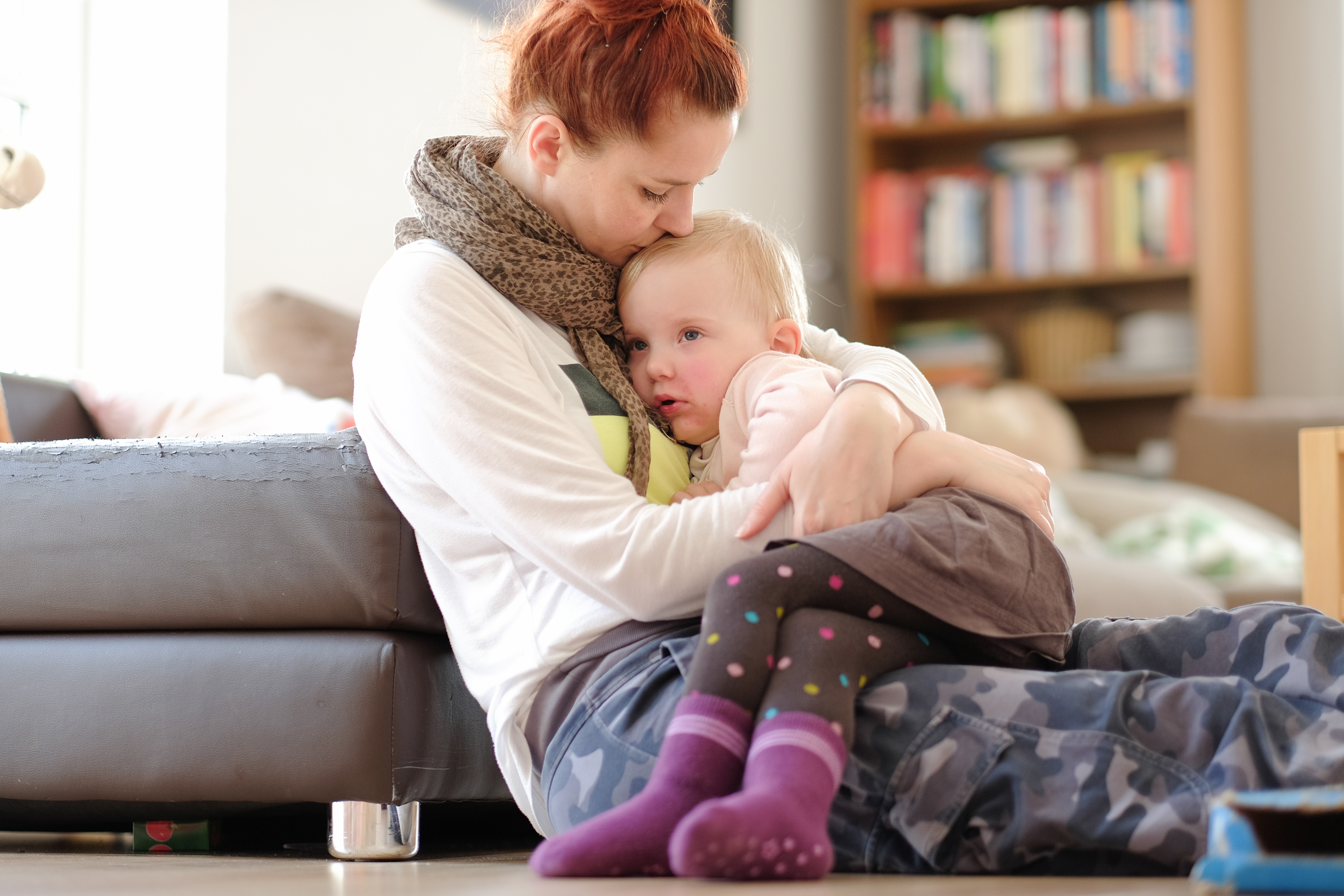
Why Every Home Needs a Calm-Down Corner
Use time-ins, a cozy corner and co-regulation to help your child calm those big emotions.
Read More
Managing Your Own Separation Anxiety
A 12-step program for parents to develop goodbye rituals, honor your feelings, and help your child make a smooth adjustment to school.
Read More
Play, Creativity and Toys
Why Play is so important to your child's development and how to choose toys to nurture intellectual, emotional, physical and social development.
Read More
"I read your Toddler tips yesterday and tried each suggestion, and LO! My daughter has not been fighting me! Like some kind of magic it just works!"
Karina
Dr. Laura is a parent whisperer! - Liz McIntosh
Liz McIntosh
Dr. Laura's parenting advice completely changed my relationship with my daughter, improved her self-esteem, and transformed our lives. Providing my daughter with acknowledgement of her feelings and point of view reduced her oppositional behaviors and emotional meltdowns to nearly none. - Jodie Tokatlian
Dr. Laura, you have created miracles, large and small, in so many lives and our children thank you.
Folks, she's brilliant. It's wonderful to have parenting experts who don't see the child as the enemy in a locked combat, for one thing. I recommend it.
"I'd really recommend Laura Markham's Aha! parenting books and website for brilliantly practical ways to parent with kindness instead of punishment." - Makchoon
Makchoon
I have seen amazing improvement in my *very* angry 17 year-old son after acknowledging that there was a reason he was so angry and acting out. We have had several heartfelt conversations and I have seen a real change in how he treats his younger brother, and how he treats me.
I know that I am a better parent thanks to Dr. Laura's inspirational words and suggestions.
I love AhaParenting because there is always a "pick yourself up and try again" to it. - Chantal Harrison
Chantal Harrison
It's like these emails were meant for me. - Caroline Henry
"Just wanted to say how much I appreciate receiving your regular emails. They've improved my parenting (and me as a person!) and made my children's lives better. Thank you!" - Andrei
Andrei
My daughter reacts so much better when I empathize and stay patient. And now I get to model that behavior instead of letting my frustration get the better of me.
Thank YOU so much for your encouraging weekly newsletters and your Facebook posts. Since I began following your approach, I have noticed a difference in the compassion I show to myself, and how much more that helps me connect with my kids. We are all feeling a lot more overall peace!
Thank you for your weekly emails and your books. They're a life line for me when I really need support during a rough patch. - Lisa Fernandez
Lisa Fernandez
Today I say thank you, tears streaming from my face, so proud of my little boy and all he will become. Thank you. - Jennifer B.
Jennifer B
Yes. It works. And the more rest I get, the more patience I have. It makes a difference.
Dear Dr. Laura Markham! I am a mother of 2 boys - 16 and 7 years old. I am extremely grateful for all the emotional and relational education that you provide us and also for your incredible loving energy to support our evolution as parents, as human beings. I took your course 3 years ago. Although the challenges of the parent-child relationship change almost every year, your parenting principles are equally valuable and effective. It's hard to reprogram the emotional-behavioral pattern learned in my own childhood... so I find it very helpful to go back to your teachings to regain trust and patience as a parent every time new challenges trigger my anxiety. To have more clarity, to reset my energy. Thank you!!

Janina-Madalina Dobrescu
Your philosophies are the only tools we've come across which offer practical advice grounded in clearly laid out lay terminology. Our family life day-to-day is nothing short of a miracle, thanks to you! - Dana Questad
Dana Questad