Nature: Why Children Need the Great Outdoors
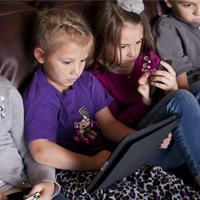
The average fifth grader, given a choice, prefers to stay inside, close to electrical sockets and all the entertainment sources they power.
But your grandmother was right: Kids need fresh air and exercise. We all do. Families who find ways to be outdoors together nurture not only their bodies, but their connection to all of life -- and to each other. Kids who spend time outside in nature, research shows, are:
- Calmer -This is particularly important for ADHD kids because it lowers their need for medication, but fresh air soothes the senses of all children.
- Happier- Studies show sunshine, fresh air and physical activity all encourage good moods and reduce tendencies toward depression.
- Less likely to be overweight - Pediatricians recommend at least an hour of play during childhood to protect against obesity and diabetes.
- Healthier - many kids who don't get enough time outdoors are Vitamin D deficient, causing health risks. Indoor air is also usually less healthy. And kids who play outdoors more even have better vision and less need for eyeglasses, presumably because they stare at screens less.
- Better students- Research shows that kids who play outdoors actually have longer attention spans, more frustration tolerance, and do better in school.
- More creative- Outdoor play is often less structured than what kids do indoors with technology, so kids exercise their imaginations as well as their bodies.
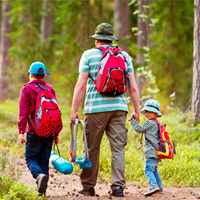
Many parents resist the idea of an outdoor "expedition," but spending an afternoon as a family in nature -- hiking, playing tag, biking, simply walking together in a beautiful place -- allows a family to regroup and get back in sync like little else. Even better, it's a great workout for everyone.
It doesn't have to be a big production. If you're lucky enough to have your own yard, you have unlimited options, from gardening together to kicking a ball around to camping out in a tent. But every city has public parks, and every family can find something to do outside that feels fun. How?
1. First decide if your family will do best with something nature-oriented or more athletic. Although all you need is some fresh air, physical exertion and time together, your kids are likely to want more of a purpose. You can choose a bike ride, a family kickball game, or just a nature walk (How many different kinds of leaves can they find?) You can even just take a blanket, lie back and look at the clouds or the leaves or the birds or the stars. It's those memories of lying in your arms stargazing that your kids will treasure for the rest of their lives.
2. If you choose a sport, make sure the rules are relaxed for little ones so everyone has fun. Kids will have varying abilities depending on age and other factors, so minimize the competition in favor of the fun.
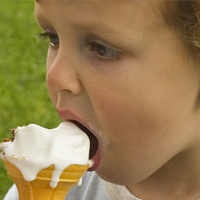
3. Make it into a ritual so kids see it as special time and look forward to it. The first time is the hardest, since most kids will resist, sure that it will be boring, that you are wasting their time and ruining their lives. Your job is to make that first time really fun. Stop for ice cream, or bring a picnic, a blanket, and a game they like.
4. Think of this as quality time, and focus on your family. Turn off the cell phones. Yours. Theirs. Enough said, I hope. The world will be waiting when you get back.
5. Think of this as a mini-vacation, and just give yourself permission to be on vacation and accomplish nothing. Enjoy yourself. Enjoy your kids. Once your children see that you're actually going to hang out with them, talking, playing and relaxing, most kids will happily get into the spirit of the moment. You say you haven't played kickball since junior high? Great! You won't believe how much fun it can be!
6. Need some ideas? Flying a kite, biking, hiking, tag, walking. Kickball, soccer, frisbee, catch, shoot some hoops. Squirt gun fight, Hide 'n seek. Tag. Build a fort in the woods and fight off an attack from pirates. Get a kids' book of birds and go birdwatching. Take a digital camera and let your child take photos; when you get home print them out and make a little album. Of course, if you're lucky enough to have a nature center or a seashore nearby, you don't need ideas from me.
7. Use the opportunity to nurture your child’s natural sense of wonder,
which is a keystone of spirituality, whether you believe in a supreme
being or not. People who feel connected to nature are healthier,
physically and emotionally.
8. Don't worry about science lessons, and resist the impulse to label. Just let it affect you. A spiderweb
glistening with dew, the rising moon, a waterfall, even a simple green
shoot breaking through the earth reminds us of the miracle that is
life. And if our children don't grow up feeling connected to nature,
who will protect it in the future?
"Those who contemplate the beauty of the earth find reserves of strength that will endure as long as life lasts."
-- Rachel Carson