How To Raise a Socially Intelligent Child
Your child lives in a very complicated social world. This has always been true for children: all parents can remember their own tears or rage at the cruelty of another child; all parents can remember wanting desperately to be accepted and approved of by other kids. Most of us can remember, at some point in our lives, longing for a best friend.
Things are even more complicated for children now, as media has introduced children to the world of adult mores before they are emotionally ready. Most children do not know, just instinctively, how to build good relationships with other children in such a culture of shifting rules.
Luckily, healthy kids tend to make healthy choices, even in the context of difficult peer situations. That means that if children have good relationships at home they have a healthy head start, but they still need your help in learning to navigate a complex social world. Some basics on how to help kids develop the social skills they need:
- Foster good social skills from toddlerhood on. This is one of the most important skill sets your child will ever develop. It is almost certainly more important to her future happiness than helping her develop her intellect.
- Support his friendships. Honor and reinforce your child's developing friendships. Talk about them, remember them, create opportunities to play. Remember that children get aggravated with each other, just as adults do. It doesn't mean the end of a friendship, necessarily, just that they need help to work through the issues that come up.
- Model respectful relating. Remember that your child will treat others as you treat her. In addition to the obvious everyday respect, that means that you give her criticism in private, not in front of others, including her friends. Which means you have to find tactful ways to talk to your young child and other kids about the way they are treating each other, to help them work out difficulties when they play together.
- Teach your child that people are important. All parents have to choose their battles, so put up with messiness and dawdling if you must, but teach your child consideration for others. Model it for him early on, admire it when he exhibits it, help him brainstorm to solve peer problems, and don't let your child intentionally or unintentionally disrespect another person. It you can't confront it as it happens without embarrassing your child, be sure to talk about it later. As kids get older, you may need to be very explicit about insisting that they acknowledge adults in their presence, as well as other kids. Often preteens and young adolescents need to be reminded of this, and to be given coaching on how to handle interactions that feel awkward to them.
- Teach kids to express their needs and wants without attacking the other person. For instance:
- "I don't like it when you push in front of me like that" instead of "You're mean!"
- "I need a turn, too!" instead of "You're hogging the ball."
- Help your child learn how to repair rifts in relationships. When we think about repairing relationships, we usually focus on apologizing. But premature apologies won’t be heartfelt and may backfire by causing the child to hold a grudge. Giving them a chance to cool down first always works better. Apologizing is a very useful friendship skill that doesn’t come easily to people in our culture, mostly because we feel like it indicates that we are bad or wrong for making a mistake to begin with. But all human relationships will have conflict, and kids are still learning how to handle conflict. So be sure not to make apologies into a public shaming, or your child will always resist them. And be sure that you're modeling apologies. If you never apologize, they won’t either. If you apologize graciously and often, to them and to others, they will too. The secret of helping kids learn to apologize is not making the apology into a punishment.
Below, more specifics for various ages.

Start Here:
Social Intelligence for Toddlers
The first step in helping toddlers develop social intelligence is helping them learn to manage their emotions, which is the foundation of interpersonal relationships.
Read More
Social Intelligence for PreSchoolers
Preschool age is the perfect time to teach children the social skills that will support them throughout childhood. Learning social cues is key to friendships.
Read More
13 Tips to Help Children Manage Social Anxiety
We all want our children to make friends easily, to feel comfortable asking questions at school, to speak up for themselves. Here's how to give your child a little extra support.
Read More
12 Ways to Empower Your Child Against Bullying -- Including CyberBullying
You can help your child develop the skills to stand up to bullying behavior, and you can keep him from becoming a bully. Here's how.
Read More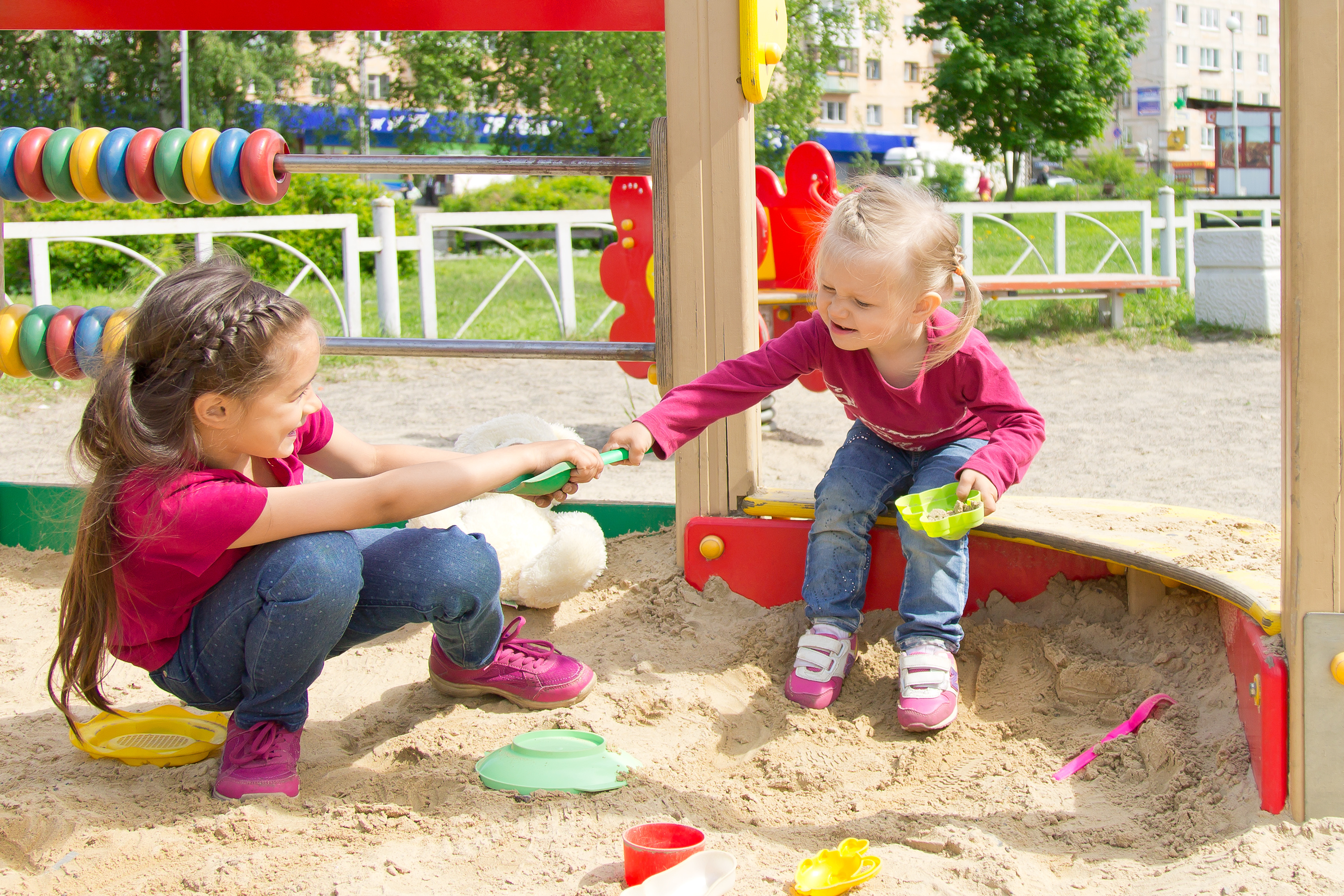
How do I stand up for my toddler at the playground?
Most of standing up for your child is modeling for her how she can stand up for herself. Here's how a parent can intervene respectfully and teach social skills.
Read More
"I read your Toddler tips yesterday and tried each suggestion, and LO! My daughter has not been fighting me! Like some kind of magic it just works!"
Karina
Dr. Laura is a parent whisperer! - Liz McIntosh
Liz McIntosh
Dr. Laura's parenting advice completely changed my relationship with my daughter, improved her self-esteem, and transformed our lives. Providing my daughter with acknowledgement of her feelings and point of view reduced her oppositional behaviors and emotional meltdowns to nearly none. - Jodie Tokatlian
Dr. Laura, you have created miracles, large and small, in so many lives and our children thank you.
Folks, she's brilliant. It's wonderful to have parenting experts who don't see the child as the enemy in a locked combat, for one thing. I recommend it.
"I'd really recommend Laura Markham's Aha! parenting books and website for brilliantly practical ways to parent with kindness instead of punishment." - Makchoon
Makchoon
I have seen amazing improvement in my *very* angry 17 year-old son after acknowledging that there was a reason he was so angry and acting out. We have had several heartfelt conversations and I have seen a real change in how he treats his younger brother, and how he treats me.
I know that I am a better parent thanks to Dr. Laura's inspirational words and suggestions.
I love AhaParenting because there is always a "pick yourself up and try again" to it. - Chantal Harrison
Chantal Harrison
It's like these emails were meant for me. - Caroline Henry
"Just wanted to say how much I appreciate receiving your regular emails. They've improved my parenting (and me as a person!) and made my children's lives better. Thank you!" - Andrei
Andrei
My daughter reacts so much better when I empathize and stay patient. And now I get to model that behavior instead of letting my frustration get the better of me.
Thank YOU so much for your encouraging weekly newsletters and your Facebook posts. Since I began following your approach, I have noticed a difference in the compassion I show to myself, and how much more that helps me connect with my kids. We are all feeling a lot more overall peace!
Thank you for your weekly emails and your books. They're a life line for me when I really need support during a rough patch. - Lisa Fernandez
Lisa Fernandez
Today I say thank you, tears streaming from my face, so proud of my little boy and all he will become. Thank you. - Jennifer B.
Jennifer B
Yes. It works. And the more rest I get, the more patience I have. It makes a difference.
Dear Dr. Laura Markham! I am a mother of 2 boys - 16 and 7 years old. I am extremely grateful for all the emotional and relational education that you provide us and also for your incredible loving energy to support our evolution as parents, as human beings. I took your course 3 years ago. Although the challenges of the parent-child relationship change almost every year, your parenting principles are equally valuable and effective. It's hard to reprogram the emotional-behavioral pattern learned in my own childhood... so I find it very helpful to go back to your teachings to regain trust and patience as a parent every time new challenges trigger my anxiety. To have more clarity, to reset my energy. Thank you!!

Janina-Madalina Dobrescu
Your philosophies are the only tools we've come across which offer practical advice grounded in clearly laid out lay terminology. Our family life day-to-day is nothing short of a miracle, thanks to you! - Dana Questad
Dana Questad