Aha! Parenting
Is Now
Peaceful Parent, Happy Kids!
Whether you’re looking for an Aha! moment,
wondering how to handle a specific challenge,
or ready to tear your hair out,
You’ve come to the right place!

Learn More

Three Simple Big Ideas
Regulate Your
Own Emotions
Kids learn to manage their emotions when their parents model how it's done. That’s why Dr. Laura’s free coaching emails give you a blueprint for self-regulation, and the self-care that makes it possible.
Connect with
Your Child
From tantrums to texting, the secret of happy parenting is a close relationship with your child. Without that connection, we have little influence (”My kids won’t listen!”) and parenting becomes exhausting.
Coach Instead
of Controlling
Coach, instead of trying to control, so your child wants to cooperate with you. Sure, you need to set limits—but if you set them with empathy and respect, you’ll find your child is much more likely to comply.


About Dr. Laura Markham
What is Peaceful Parent, Happy Kids?

You know what an Aha! Moment is, right?
With your child it’s that lightning flash of insight, when suddenly you see things from a new perspective, and everything has the potential to be different. This website has Aha! moments for parents of every age child, from pregnancy right through the teen years, guaranteed to help you create a home with a lot less drama and a lot more love.
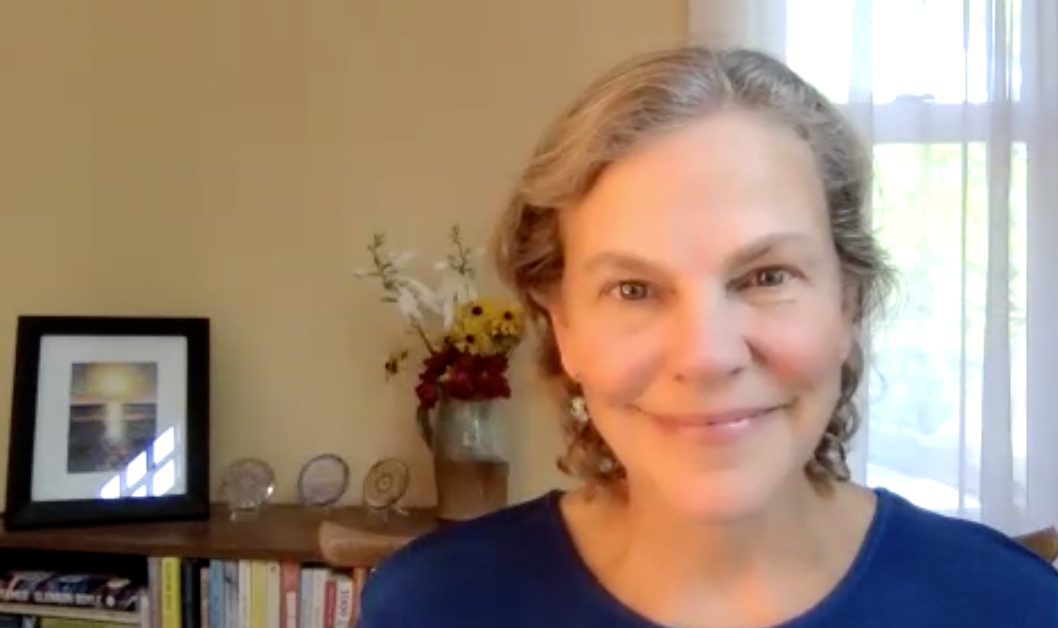
Dr. Laura Markham, the founder of Aha! Parenting, trained as a Clinical Psychologist at Columbia University—but she’s also a mom, so she understands kids—and how tough it is to be a parent.
More about Dr. Laura MarkhamFree Guide
13 Secrets To Engage Cooperation
Help Your Child WANT To Cooperate, without Yelling, Bribes, Threats or Punishment!
In those tough moments when you need your child to cooperate and you can feel your temper rising, reach for this printable! You'll find 13 quick tips to remind you how to stop yelling, start connecting, and work with your child to move forward!
Download Your Guide
You're almost there...
Enter your info below to download your Guide!
We promise not to ever share your email with anyone or send you any spam!
Read our privacy policy here.

Dr. Laura Markham has been featured in thousands of articles including…
"Dr. Markham coaches parents to “hit the pause button” before taking any action, even in the face of a screaming child. "

"In the Atlantic Magazine’s animated video series about parenting, Dr. Laura Markham reveals the surprising childrearing method that promotes not only generosity, but also resiliency."

"Dr. Markham suggests explaining to your kids that chores are important because that's how you show respect and contribute to your family."

"Dr. Laura Markham’s Peaceful Parent, Happy Kids was a favorite among our panelists."

"Empathize, but don't take responsibility for the child's boredom," says Dr. Laura Markham, a New York clinical psychologist who specializes in coaching parents."

"Dr. Laura Markham is America's Parenting Coach"



Connect On Social Media